


 Atlanta Hawks
 Boston Celtics
 Brooklyn Nets
 Charlotte Hornets
 Chicago Bulls
 Cleveland Cavaliers
 Dallas Mavericks
 Denver Nuggets
 Detroit Pistons
 Golden State Warriors
 Houston Rockets
 Indiana Pacers
 Los Angeles Clippers
 Los Angeles Lakers
 Memphis Grizzlies
 Miami Heat
 Milwaukee Bucks
 Minnesota Timberwolves
 New Orleans Pelicans
 New York Knicks
 Oklahoma City Thunder
 Orlando Magic
 Philadelphia 76ers
 Phoenix Suns
 Portland Trail Blazers
 Sacramento Kings
 San Antonio Spurs
 Toronto Raptors
 Utah Jazz
 Washington Wizards





World News, Politics
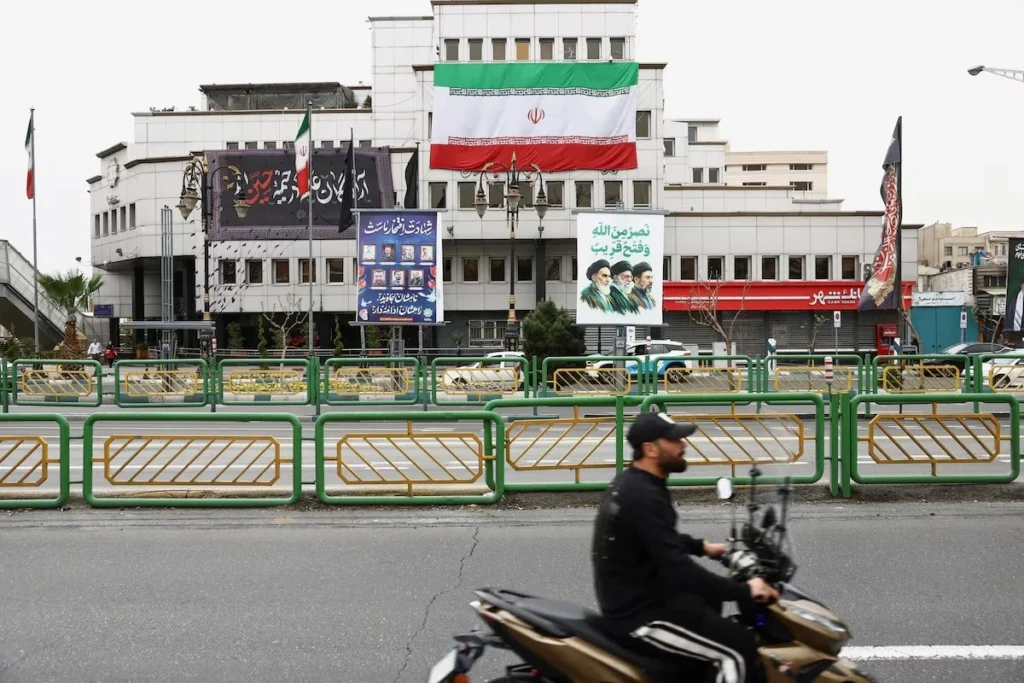
The Truth Behind Secret US-Iran Negotiations: Iranian Military Denies Claims
Mar
The Complete Picture of the US-Iran Diplomatic Mystery: When the Military Denies All Negotiations
Relations between Washington and Tehran are entering a phase filled with conflicting information. While the US continuously signals that negotiations are ongoing, Iranian officials and military leaders completely deny these claims and issue incredibly harsh statements. Is this a new step toward peace, or just psychological warfare in a complex conflict?

President Donald Trump’s Statements and the Confusion in Tehran
Recently, US President Donald Trump announced that Tehran is eager to reach an agreement to end the current conflict. However, in stark contrast to the clarity from Washington, the internal situation in Iran is clouded by ambiguity and informational chaos.
The Iranian people do not know what is truly happening, and the identity of the “highly respected” figure mentioned by Trump—who is supposedly representing Iran in talks with the US—remains a complete mystery. The fierce and unpredictable moves have always been a hallmark of President Trump’s leadership style. Fans of his uncompromising personality often express that spirit through apparel with strong messages, such as the Donald Trump FAFO T-Shirt.
The Iranian Military Responds Sarcastically: “The US is Negotiating with Itself”
Reacting to the statements from the US, Iranian officials and politicians have consistently issued contradictory messages, asserting that no direct or indirect negotiations exist whatsoever.
-
Lieutenant Colonel Ebrahim Zolfaqari, spokesperson for the Khatam al-Anbiya Central Headquarters, sarcastically questioned whether the internal struggles in the US have reached a point where they have to “negotiate with themselves.”
-
Zolfaghari also harshly criticized the Trump administration for trying to “fabricate an agreement” and emphasized that people like the Iranian military could never get along with the US side.
-
Instead of negotiating, Iranian military leaders are entirely focused on escalating the conflict by announcing new waves of missile and drone attacks aimed at Israel and US bases in the region.


The 15-Point Plan and Pakistan’s Mediation Efforts
Despite being publicly rejected by Tehran, intelligence sources and diplomatic leaks paint a different picture.
-
According to The New York Times, Washington sent a detailed 15-point plan to Tehran via Pakistan as a mediator.
-
This proposal outlines steps to resolve Iran’s nuclear and ballistic missile programs, as well as maritime security in the Strait of Hormuz.
-
Pakistan’s Army Chief, General Syed Asim Munir, has emerged as a crucial mediator, and Islamabad has signaled its readiness to host direct peace talks as early as March 26.
However, Axios reported that Tehran informed mediators they do not want to be fooled again, as Trump had previously green-lit surprise attacks that caused heavy damage to Iran while negotiations were supposedly ongoing. President Trump’s influence and presence extend far beyond the negotiating table and into pop culture, reflected in unique items like the Donald Trump 45th President Make America Great Again Rubber Duck.

The Fear of a “Security Trap” and the Choice of Diplomatic Partners
Deep suspicion remains the biggest hurdle preventing the two nations from sitting at the negotiating table.
-
According to the Wall Street Journal, Iranian officials are particularly concerned that direct negotiations could be used as a “security trap” to assassinate Parliament Speaker Mohammad Bagher Ghalibaf—who the US is reportedly considering as a dialogue partner.
-
Through backchannels, Tehran has sent messages to Washington refusing to resume negotiations with Trump’s son-in-law Jared Kushner or Special Envoy Steve Witkoff.
-
Instead, Iran appears to prioritize diplomatic contact with Vice President JD Vance.
The geopolitical landscape of the US administration in 2026 extends beyond the Middle East. The fierce spirit of Washington’s global foreign policy campaigns is also clearly expressed through the messages on the Freedom For Venezuela T-Shirt – Trump 2026 Operation Absolute Resolve Tee.
What is the Way Out of the Tension?
According to CNN, although not actively proposing a meeting, Iran remains open to dialogue if they receive a legally binding roadmap that guarantees the complete lifting of all imposed sanctions. Additionally, Tehran demands that hostilities cease entirely, with guarantees of no future recurrences, and that the country receives compensation.
So far, the activities of Iranian President Masoud Pezeshkian and Foreign Minister Abbas Araghchi have not been publicly detailed, leaving the diplomatic picture shrouded in ambiguity and unpredictability.
Frequently Asked Questions (FAQs)
1. Are there really negotiations taking place between the US and Iran right now? While US President Donald Trump claims Iran wants a deal, Iranian officials and politicians completely reject any information regarding diplomatic contacts or negotiations.
2. What does the US 15-point proposal include? Washington’s 15-point proposal outlines steps to resolve Iran’s nuclear and ballistic missile programs, as well as ensure maritime security in the Strait of Hormuz.
3. Which country is acting as a mediator between the US and Iran? Pakistan is attempting to serve as a mediator, with a prominent role played by Pakistan’s Army Chief, General Syed Asim Munir.
4. Why is Iran worried about negotiating directly with the US? Tehran fears that direct negotiations are actually a “security trap” designed to create an excuse to assassinate their high-ranking officials, such as Parliament Speaker Mohammad Bagher Ghalibaf.
5. What are Iran’s prerequisites for dialogue? Iran demands that any proposal must include the complete lifting of all sanctions, a total cessation of hostilities, guarantees against similar actions in the future, and compensation for damages.

 NFL
NFL NBA
NBA MLB
MLB NHL
NHL Premier League