


 Atlanta Hawks
 Boston Celtics
 Brooklyn Nets
 Charlotte Hornets
 Chicago Bulls
 Cleveland Cavaliers
 Dallas Mavericks
 Denver Nuggets
 Detroit Pistons
 Golden State Warriors
 Houston Rockets
 Indiana Pacers
 Los Angeles Clippers
 Los Angeles Lakers
 Memphis Grizzlies
 Miami Heat
 Milwaukee Bucks
 Minnesota Timberwolves
 New Orleans Pelicans
 New York Knicks
 Oklahoma City Thunder
 Orlando Magic
 Philadelphia 76ers
 Phoenix Suns
 Portland Trail Blazers
 Sacramento Kings
 San Antonio Spurs
 Toronto Raptors
 Utah Jazz
 Washington Wizards





Game
Monopoly Game Insights: From History to Collectible Finds and Gift Ideas

14
Aug
Aug
Few tabletop experiences are as universally recognized as the classic Monopoly board game. For decades, families and friends have gathered around the table to roll the dice, pass GO, and attempt to build a real estate empire. From its fascinating historical beginnings to the incredible variety of modern collector’s editions, Monopoly is much more than merely a game—it is a cultural touchstone.
Whether you are a tabletop enthusiast, a pop-culture collector, or someone searching for the perfect board games for gifts, this thorough guide covers everything you need to know about the Monopoly board game. We will explore the history of Monopoly, the meaning behind its gameplay, and the best Monopoly gift ideas 2026 has to offer.
What Is a Monopoly Board Game?
To understand the continuing appeal of the Monopoly board game, it helps to look at the basics. Even if you have never played, the visual elements of the game—the colorful property deeds, the miniature houses, and the iconic mascot, Rich Uncle Pennybags (now officially known as Mr. Monopoly)—are globally recognized.
At its core, Monopoly is an economic and property-trading game. Players start with a set amount of play money and take turns rolling two six-sided dice to move their tokens around the edge of a square board. The primary goal is simple: drive your opponents into bankruptcy by tactically buying, trading, and developing properties.
When a player lands on an unowned property, they can choose to buy it. If another player lands on that owned property later, they must pay rent. Once a player collects a complete “color set” of properties, they can begin building houses and, eventually, hotels, which greatly increases the rent owed by anyone unfortunate enough to land there.
The game is famously unpredictable thanks to several wildcards:
- Chance and Community Chest Cards: These cards can reward players with unexpected cash or penalize them with sudden fees.
- Jail: A player can be sent to Jail by landing on a specific space, rolling three doubles in a row, or drawing an unlucky card.
- GO: Passing the starting space rewards the player with a steady salary of $200.
This mix of luck, strategy, and negotiation is precisely why the Monopoly board game became one of the world’s most recognizable forms of tabletop entertainment.
The History of Monopoly: From Concept to Global Phenomenon
The history of the Monopoly board game is a fascinating story of economic theory, organic cultural growth, and corporate success. The history of Monopoly cannot be attributed to a single person, as the game evolved over several decades.
Elizabeth Magie and The Landlord’s Game
The Monopoly game’s origin traces back to 1904, when a progressive thinker named Elizabeth Magie patented a game called The Landlord’s Game. Magie designed the board as an educational tool to illustrate the negative consequences of land monopolization. Her original game featured two sets of rules: one in which wealth was shared equally (anti-monopoly), and another where the goal was to crush opponents and create monopolies.
Charles Darrow and Parker Brothers
Over the next 30 years, variations of Magie’s game spread organically across the United States. Players created their own homemade boards, often naming the properties after local streets.
In the 1930s, an unemployed heating engineer named Charles Darrow learned about the game. He created his own visually attractive version, using street names from Atlantic City, New Jersey. Darrow pitched his version to Parker Brothers, a major game publisher. Initially, Parker Brothers rejected it, claiming the game had “52 fundamental errors,” including being rather complex and taking too long to play.
However, after Darrow successfully sold his homemade versions in local department stores, Parker Brothers reconsidered. They acquired Darrow’s game in 1935 and eventually bought the rights to Magie’s original patent.
Becoming a Global Brand
Parker Brothers’ commercialization of the game was a massive success. During the Great Depression, the Monopoly board game offered people a cheap, entertaining way to experience the fantasy of tremendous wealth and real estate domination. Today, owned by Hasbro, the game has been translated into dozens of languages, sold hundreds of millions of copies, and developed into a global entertainment brand.
Where Did Monopoly Come From?
When examining the origins of the Monopoly board game, it is essential to consider the cultural and economic environment of the early 20th century.
Elizabeth Magie was a follower of Henry George, an economist who believed in the “single tax theory”—the idea that while people should own the value they produce themselves, the economic value derived from land should belong equally to all members of society. Magie’s original game was explicitly designed to teach players that renting land enriches property owners while impoverishing tenants.
Ironically, as the game evolved into the entertainment-focused Monopoly board game we know today, the messaging flipped. The game shed its anti-monopolist roots and fully embraced the pleasure of capitalism. The modern game is entirely about property ownership, maximizing rent, managing wealth, and ruthless economic competition.
The Meaning Behind the Monopoly Board Game
Beyond its mechanics and history, the meaning of the Monopoly board game lies in how people interact while playing. What does a game of Monopoly symbolize?
- Strategy and Making Decisions: Players must decide when to spend their limited resources, when to hold back, and which properties are worth investing in.
- Negotiation: The game actively encourages players to trade properties, leading to complex social negotiations and deal-making.
- Risk and Reward: Choosing to spend all your money on a hotel leaves you vulnerable to a bad roll of the dice, underscoring the importance of maintaining cash reserves.
- Family Interaction and Amicable Rivalry: Monopoly is famous for triggering intense, passionate family dynamics. It is a safe environment to experience competitive rivalry.
While you shouldn’t rely on a Monopoly board game to teach professional financial investing skills, it does introduce younger players to basic math, resource management, and the concept of return on investment.
Why Monopoly Has Remained Popular
In an era dominated by video games and digital media, why does a cardboard board game remain so relevant?
- An Easy-to-Understand Concept: The core gameplay loop of rolling dice, moving a token, and buying land is incredibly intuitive.
- Nostalgia: Many adults have fond memories of playing Monopoly in childhood and want to pass that tradition down to the next generation.
- Social Interaction: It forces people to sit face-to-face, talk, negotiate, and share an experience away from screens.
- Endless Themed Editions: The brand’s skill to adapt has kept it fresh. Hasbro and its licensing partners have created countless themed Monopoly board games, making sure there is a version for almost every interest.
Monopoly as a Collectible
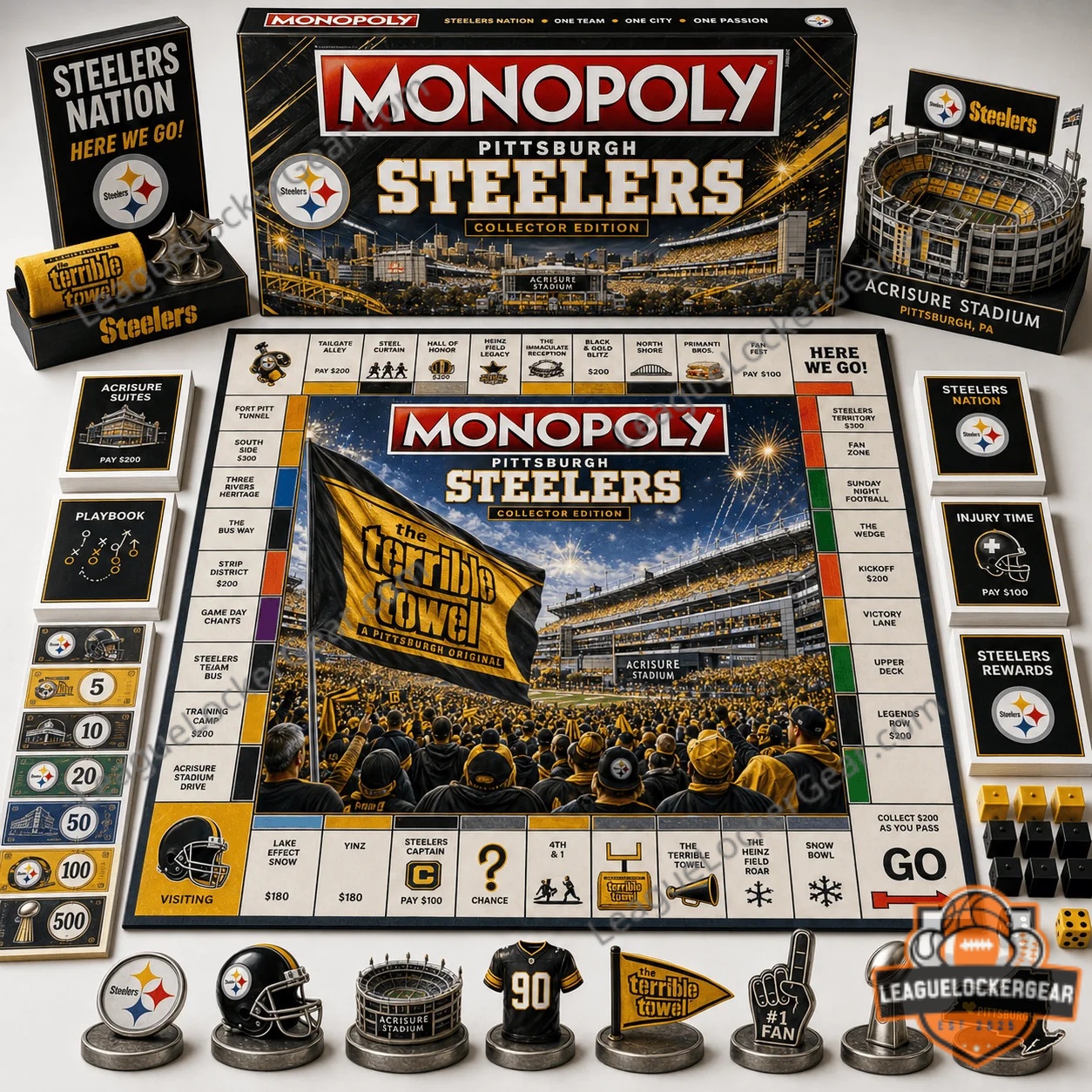
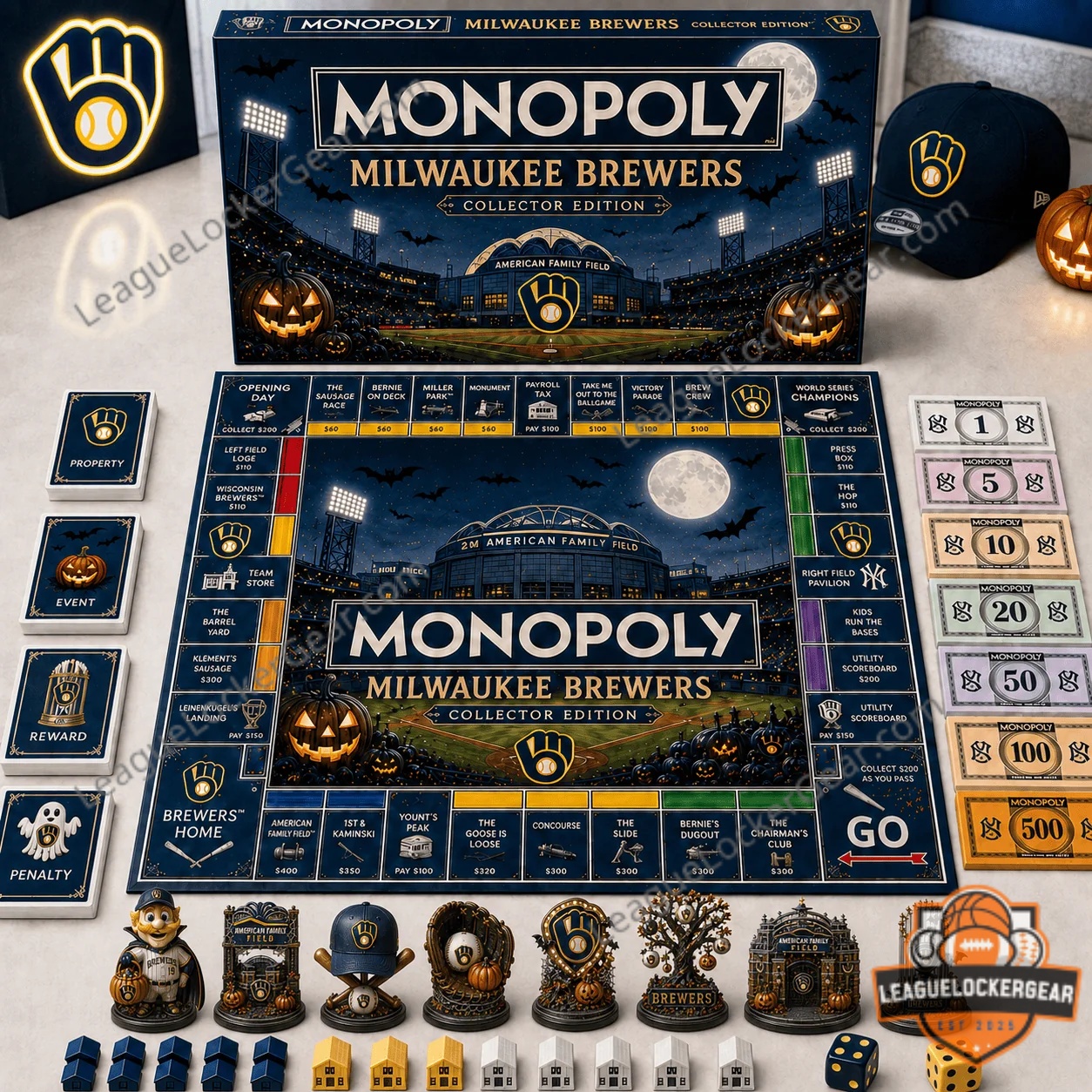
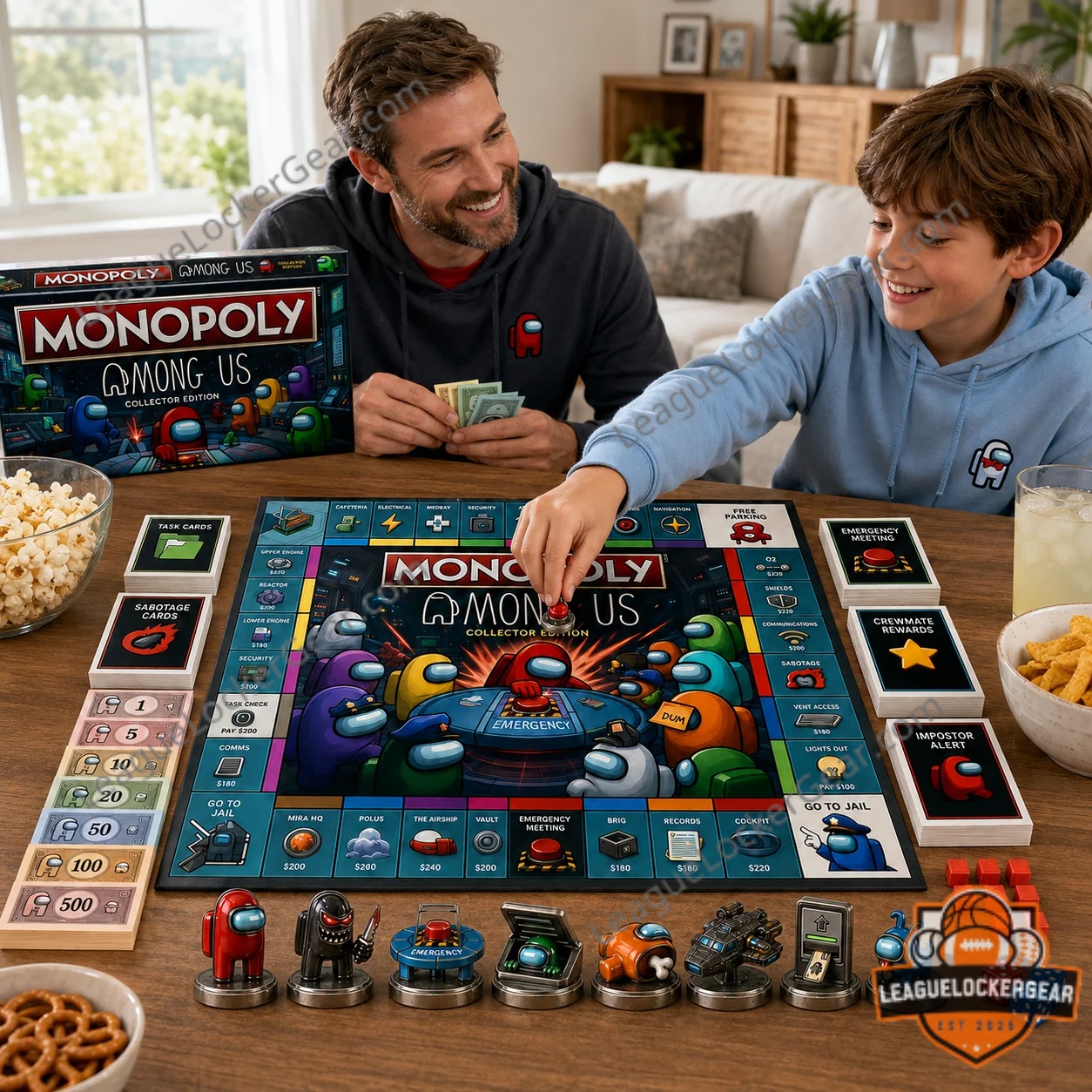
In recent years, the market for collectible Monopoly board games has exploded. A Monopoly Collector’s Edition is no longer only a game; it is a piece of memorabilia.
Collectors are drawn to these special editions because they offer unique spins on the classic format. Instead of buying Boardwalk and Park Place, players might buy famous stadiums, iconic movie locations, or fictional planets.
What makes these editions collectible?
- Custom Tokens: The classic thimble and top hat are replaced by highly detailed, die-cast metal figures that fit the theme.
- Unique Artwork: The game board, the box, and the cards feature custom illustrations and photography.
- Thematic Money and Buildings: Houses and hotels might be replaced by custom sculptures, such as stadiums or concert stages.
Pop-culture fans can find entertainment editions based on hit video games or music. For example, fans of post-apocalyptic gaming might love the aesthetic of a Fallout-themed board. Rock music fans can even find niche collaborations, such as a Shinedown collector’s edition complete with custom band tokens.
Sports fans are also well-served. Championship editions and sports-team editions allow fans to buy, sell, and trade their favorite current players or historic franchise moments. Passionate football fans can engage with their team’s culture through a highly detailed, premium set.
Note: While Monopoly games for collectors are highly sought after, their monetary collector’s value can fluctuate. They are best collected for the joy and personal connection to the theme rather than as a guaranteed financial investment.
Why a Monopoly Board Game Makes a Great Gift
When shopping for loved ones, finding a gift that is both individual and interactive can be challenging. This is exactly why a Monopoly board game gift is a brilliant choice.
Monopoly appeals to almost everyone: families, couples, friends, and serious tabletop gamers. The genuine magic lies in the themed editions. By choosing a themed Monopoly board game that corresponds to the recipient’s passions, you turn a classic game into a deeply thoughtful, personalized present.
- For the Sports Fanatic: A sports-team Monopoly featuring their favorite franchise is the ultimate coffee-table centerpiece.
- For the Pop-Culture Enthusiast: Movie, television, and video game editions are perfect for fans who want to plunge themselves into their favorite fictional worlds.
- For the Music Lover: Editions celebrating legendary bands, like The Beach Boys, offer a sentimental trip down memory lane with custom retro artwork.
- For Alumni: University editions are fantastic for recent graduates or proud alums looking to show school spirit.
Monopoly Board Game Gift Ideas for Every Occasion in 2026
If you are planning your gift shopping for the upcoming year, here is a guide to Monopoly gift ideas for 2026.
Valentine’s Day 2026 (February 14): Skip the standard chocolates and gift a pop-culture or classic Monopoly board game to your partner for an intimate, unplugged date night at home.
Easter 2026 (April 5): Instead of just candy, a colorful, character-themed Monopoly makes a fantastic addition to a child’s Easter basket, promoting family playtime during the spring holidays.
Mother’s Day (May 10) & Father’s Day (June 21) Monopoly gifts for family occasions are always a hit. Gift Dad a sports-team edition of his favorite football or baseball franchise, or surprise Mom with an edition based on her favorite TV show or travel destination.
Graduation Season (May/June 2026): University-themed Monopoly games are incredible gifts for high school seniors heading off to college or recent graduates looking for a nostalgic keepsake of their alma mater.
Halloween 2026 (October 31): Looking for a spooky treat? A themed board game with a darker or autumnal aesthetic makes a great gift for a Halloween party host.
Thanksgiving (November 26) & Family Reunions: Whenever extended family gathers, you need entertainment. Bring a fresh Collector’s Edition to the table to keep cousins, aunts, and uncles engaged after the turkey is served.
Christmas 2026 (December 25) & The Holiday Season: Monopoly gifts for Christmas are a holiday staple. Whether you need a universally loved item for a Secret Santa exchange, a corporate office party, or a premium collector’s set to put under the tree for a board-game fan, Monopoly never disappoints.
Housewarming & Wedding Gifts: A premium, beautifully designed Monopoly Collector’s Edition looks stunning on a bookshelf and serves as a great icebreaker when the new couple hosts their first game night.
Frequently Asked Questions (FAQ)
When was Monopoly invented?
The earliest version of the game, The Landlord’s Game, was patented in 1904. The modern commercial version of the Monopoly board game as we know it was published by Parker Brothers in 1935.
Who invented Monopoly?
The game’s creation was a gradual process. Elizabeth Magie invented the first concept (The Landlord’s Game). Charles Darrow later modified the game, popularized the Atlantic City theme, and sold it to Parker Brothers.
What was Monopoly originally based on?
It was originally based on the economic theories of Henry George. The creator, Elizabeth Magie, wanted to demonstrate the economic harms of land monopolies and unchecked rent accumulation.
Why is Monopoly so popular?
It remains popular due to its simple, easy-to-learn mechanics, the exciting balance of luck and strategy, its nostalgic value, and its capacity to adapt through hundreds of different pop-culture and sports themes.
Is Monopoly a good family gift?
Yes! A Monopoly board game is a fantastic family gift because it encourages face-to-face interaction, friendly competition, and multi-generational play away from digital screens.
Are Monopoly Collector’s Editions worth collecting?
They are highly popular with collectors because of their limited print runs, custom artwork, and unique metal tokens. While some limited editions do appreciate, they are best collected for personal enjoyment and display.
What Monopoly edition makes a good gift? The best Monopoly edition to gift depends on the recipient. Classic versions are great for traditionalists, while themed editions (like sports teams, movies, or video games) add a thoughtful, customized touch.
Is a Monopoly board game a good Christmas gift? Absolutely. Monopoly gifts for Christmas are a timeless tradition. They provide immediate entertainment for family gatherings during the holiday season.
What is the best Monopoly gift for a sports fan?
A sports-team-themed Monopoly is ideal. These officially licensed games replace traditional properties with iconic stadium locations, historical franchise moments, and custom sports-related tokens.
Why are themed Monopoly games popular with collectors?
Themed editions tap into existing fandoms. Collectors love seeing how the traditional Monopoly mechanics are cleverly adapted to fit the lore of their favorite movies, bands, or sports teams.
Sources & References
- Pilon, Mary. The Monopolists: Obsession, Fury, and the Scandal Behind the World’s Favorite Board Game. Bloomsbury Publishing.
- Hasbro Official Brand History.
- The Strong National Museum of Play: Monopoly Historical Archives.
- The Smithsonian Institution: The Secret History of Monopoly.
Ready to find the perfect game for your next family game evening or the ultimate gift for a collector?The Ultimate Guide to the Monopoly Board Game: History, Collectibles, and Gift Ideas

 NFL
NFL NBA
NBA MLB
MLB NHL
NHL Premier League